
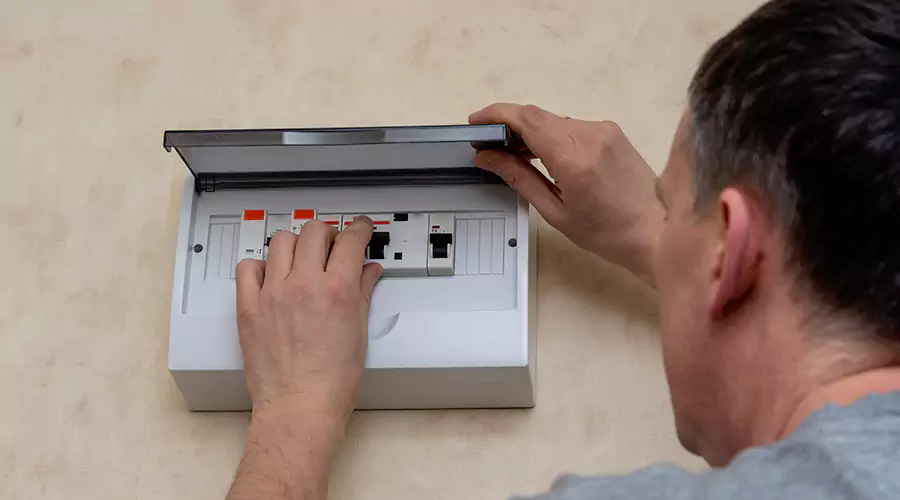
You should replace old wiring when it shows damage or fails modern safety standards. Homes built before 1980 often need inspection because older systems cannot support current electrical demand. Signs include frequent breaker trips or flickering lights or burning smells. Outdated wiring like aluminum or knob and tube also increases risk. A licensed electrician should inspect the system to confirm if replacement is needed. Replacing old wiring with whole house rewiring when necessary improves safety and supports reliable power use in daily life.
Wiring Replacement Timeline Table
This table gives a direct guideline based on home age and wiring type so you can assess risk quickly.
| Home Age or Wiring Type | Replacement Recommendation | Risk Level |
|---|---|---|
| Before 1940 with knob and tube | Replace immediately | High |
| 1960 to 1970 aluminum wiring | Evaluate and likely replace | High |
| 1970 to 1990 mixed wiring | Inspect and upgrade as needed | Medium |
| After 1990 copper wiring | Replace only if damaged | Low |
| Any home with warning signs | Immediate inspection required | High |
Why Old Wiring Becomes a Safety Risk
Electrical wiring breaks down as insulation ages and connections loosen. Heat exposure speeds up this process.
Older systems were designed for lower power demand than modern homes require. This gap creates overload conditions that increase fire risk.
Inspecting aging wiring helps identify potential safety concerns before they develop into more serious electrical problems.
Common Types of Outdated Wiring in U.S. Homes
Certain wiring types create higher safety concerns due to design and material limits. Identifying them helps guide replacement decisions.
Knob and Tube Wiring
Knob and tube wiring lacks grounding which increases shock risk during faults. This system also struggles to support modern electrical loads.
Aging insulation often cracks which exposes live conductors. Replacement is the safest long term solution.
Aluminum Wiring
Aluminum wiring expands more than copper when heated which loosens connections. Loose connections can lead to overheating.
Special connectors can reduce risk but do not eliminate long term concerns. Many electricians recommend full replacement.
Cloth Insulated Wiring
Cloth insulation deteriorates and exposes wiring over time. This creates a higher chance of short circuits.
Homes with this wiring often fail modern safety expectations. Replacement improves reliability and protection.
Signs You Need to Replace Old Wiring
Certain symptoms indicate serious electrical issues that require attention. These signs often point to deeper system problems.
Warning Signs Inside the Home
- Lights flicker during normal operation
- Breakers trip frequently
- Outlets feel warm or look discolored
- Burning smells come from walls
Each issue signals unstable electrical flow or overheating. Immediate inspection is necessary.
How Age of the Home Affects Wiring Condition
Home construction era strongly influences wiring type and safety level. Older homes carry higher risk.
Homes Built Before 1950
These homes often contain outdated systems that lack grounding. Full replacement is usually required for safety.
Modern appliances place demands that exceed original system capacity. Upgrades resolve this limitation.
Homes Built Between 1960 and 1980
Aluminum wiring is common in this period and requires careful evaluation. Loose connections are a known issue.
Partial fixes may reduce risk but do not fully address long term concerns. Replacement offers a more reliable solution.
Homes Built After 1990
Copper wiring in newer homes meets modern standards. Replacement is only needed if damage or poor installation exists.
Routine inspections help maintain system performance.
Electrical Load and Modern Power Demands
Modern households use more electricity than older systems were designed to handle. This increases strain on wiring.
High demand devices draw continuous current which generates heat. Older wiring may not dissipate this heat safely.
Upgraded wiring supports stable power distribution. This prevents overload conditions.
When Repairs Are Not Enough
Minor repairs can solve isolated issues but cannot fix widespread deterioration. Certain conditions require full rewiring.
Situations That Require Full Replacement
Extensive insulation damage across circuits signals system failure. Repeated overheating indicates structural issues.
Lack of grounding cannot be corrected with small repairs. Replacement ensures safe operation.
Electrical Inspection Process for Old Wiring
A professional inspection identifies visible and hidden electrical risks. This process guides replacement decisions.
What Electricians Check
An electrical panel inspection evaluates system capacity and overall condition, while wiring is checked for insulation damage, secure connections, and signs of wear.
Grounding systems are tested to confirm safety compliance. Load distribution is also reviewed.
Cost Considerations for Replacing Old Wiring
Rewiring costs depend on home size and system complexity. This project is a long term safety investment.
Factors That Affect Cost
Larger homes require more materials and labor time. Opening walls increases project scope.
Older homes may reveal unexpected issues during work. Planning ahead helps manage costs.
Benefits of Replacing Old Wiring
New wiring improves safety and supports modern electrical needs. It also increases system stability.
Key Advantages
- Lower risk of electrical fires
- Consistent power delivery
- Better support for modern appliances
Updated systems also improve home inspection outcomes.
Code Requirements for Wiring in U.S. Homes
Electrical codes define safety standards for residential systems. Older wiring often falls short of these requirements.
Why Code Compliance Matters
Modern systems require grounding and circuit protection. Upgrading ensures your home meets these standards.
Compliance supports safer operation and smoother resale. Buyers often expect updated systems.
How Long Wiring Typically Lasts
Wiring lifespan depends on material and usage conditions. Regular inspections help determine condition.
Copper wiring can last over 50 years with proper care. Aluminum wiring may require earlier replacement.
Environmental factors like moisture can reduce lifespan. Monitoring helps prevent failure.
Temporary Fixes vs Long Term Solutions
Short term fixes may reduce symptoms but do not eliminate underlying risks. Long term safety requires proper upgrades.
Limits of Short Term Repairs
Replacing outlets may improve surface issues. These fixes do not address aging wires behind walls.
Full replacement removes the root cause of hazards. This provides lasting protection.
When to Replace Old Wiring During Renovations
Renovations provide access to walls which simplifies rewiring. This reduces labor complexity.
Advantages of Upgrading During Remodels
Costs may be lower when combined with other work. Electrical layouts can be improved for modern needs.
Additional circuits can be installed for new appliances. This improves safety and function.
Understanding Electrical Wiring Replacement
Electrical wiring replacement is recommended when a home's wiring has become outdated, damaged, or no longer meets current safety standards. The process typically begins with an inspection of visible wiring, the electrical panel, grounding, and other accessible system components to evaluate the overall condition of the electrical system.
During the assessment, signs such as overheating, loose electrical connections, damaged insulation, and worn wiring materials are checked to identify potential safety concerns. The inspection helps determine whether localized wiring repairs are sufficient or if partial or complete rewiring is the more appropriate long-term solution.
How to Choose the Right Electrician for Rewiring
Rewiring requires skilled work to ensure safety and code compliance. Choosing the right professional is critical.
What to Look For
Hire a licensed electrician with rewiring experience. Confirm insurance coverage before starting work.
Clear estimates and timelines help manage expectations. Proper documentation ensures accountability.
Risks of Delaying Wiring Replacement
Delaying replacement increases the chance of serious hazards. Electrical problems worsen over time.
Overheated wires can start fires inside walls. Faulty wiring can damage expensive appliances.
Unexpected failures can disrupt daily life. Early replacement reduces these risks.
Final Thoughts on Replacing Old Wiring
Replacing old wiring becomes necessary when safety risks or performance limits appear. Homes with outdated systems benefit the most from upgrades.
A timely upgrade improves safety and supports modern electrical demand. Evaluating the existing wiring helps identify safety concerns and determine the next steps for improving the electrical system.